Archívy
-
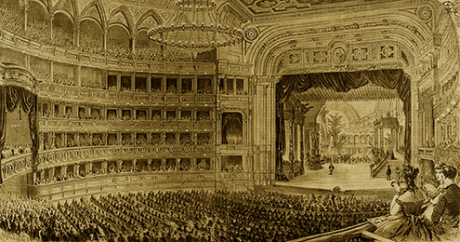
Divadlo ako miesto a nástroj spoločenskej zmeny v „dlhom“ 19. storočí
Ročník 19 Číslo 2 (2025)Divadlo a dramatické umenie boli v každom historickom období považované za performatívne nástroje sociálnej zmeny. Prostredníctvom živých interakcií svojich protagonistov v konkrétnych priestorovo-časových kontextoch prispelo divadlo k sociálnej transformácii tak tvorcov divadla, ako aj divákov. Uplatnením pojmu „priestor“ na štúdium divadla – jedného z ústredných kultúrnych a ekonomických fenoménov – v „dlhom“ devätnástom storočí sa snažíme prekonať (imaginárne) hranice, ktoré tradične definovali historiografiu divadla v strednej a stredovýchodnej Európe. Je potrebné prehodnotiť zaužívané paradigmy v historických divadelných štúdiách, aby sa potvrdila autonómia a špecifickosť tejto disciplíny, a vytyčiť nové smery orientované na interdisciplinárne prostredie, ktoré sa k divadelnej kultúre pristupuje predovšetkým vo vzťahu k spoločenskému vývoju.
Habsburská ríša bola akousi časovou kapsulou európskej dejín, v ktorej rôzne fázy formovania štátu pretrvávali až do súčasnosti. Ako viacjazyčná oblasť charakterizovaná komplexnými kultúrnymi procesmi – kde sa formovanie kultúrnych identít rôznych národných a etnických skupín odohrávalo v rámci jednej oblasti, alebo dokonca jedného mesta – Habsburská ríša ponúka bohatý zdroj informácií na identifikáciu kľúčových čŕt transformácie spoločnosti, ku ktorej dochádzalo v divadle a prostredníctvom divadla. Takáto perspektíva nám umožňuje pochopiť performatívnu úlohu divadla nielen v „centrách“ (metropolách), ale aj na „periférii“ (provinciách).
Jednotlivé príspevky v tomto čísle sa k ústrednej téme približujú z politického, ekonomického, inštitucionálneho a sociologického hľadiska, pričom autori skúmajú doteraz nepreskúmané aspekty divadelnej kultúry. Zároveň používajú inovatívne teoretické postupy na interpretáciu známych objektov. Naším cieľom je načrtnúť nové smery v kultúrnej historiografii v rámci regiónu – prístupy, ktoré môžu zvýšiť potenciál komparatívnej analýzy s inými európskymi vývojmi. -

Antifeministické diskurzy vo východnej a strednej Európe od 19. storočia do roku 1945
Ročník 19 Číslo 1 (2025)Nedávny nárast mizogynisticko-antifeministickej rétoriky vo verejných diskusiách – výrazne umocnený digitálnymi médiami – by mohol naznačovať, že antifeminizmus je súčasným fenoménom. V skutočnosti sa antifeministické naratívy dostali do popredia už koncom 18. storočia, keď vznikli ako reakcia na emancipačné požiadavky žien inšpirované Francúzskou revolúciou a neskôr ako opozícia voči rastúcemu vplyvu ženských hnutí.
Zatiaľ čo história emancipácie žien a feministických diskurzov bola predmetom značnej pozornosti vedcov, antifeministické diskurzy – najmä v strednej a východnej Európe – zostávajú nedostatočne preskúmané.
Toto vydanie sa zameriava na obdobie prvej vlny feminizmu, najmä v habsburských a posthabsburských štátoch. Prispievatelia skúmajú rétoriku a stratégie používané na odpor voči tlaku za práva žien, identifikujú sociálne skupiny, ktoré sa stotožňujú s antifeministickými pozíciami, a sledujú ich vývoj v reakcii na meniace sa sociálne, politické a kultúrne kontexty od konca 19. do polovice 20. storočia. Štúdie uverejnené v tomto čísle ďalej odhaľujú, ako aktéri antifeministických diskurzov usilovali o zvrátenie zmien v patriarchálnych štruktúrach, ktoré priniesla socioekonomická modernizácia a demokratizácia spoločnosti, a zároveň sledujú prenos antifeministických naratívov a politík v západnej a východnej Európe.